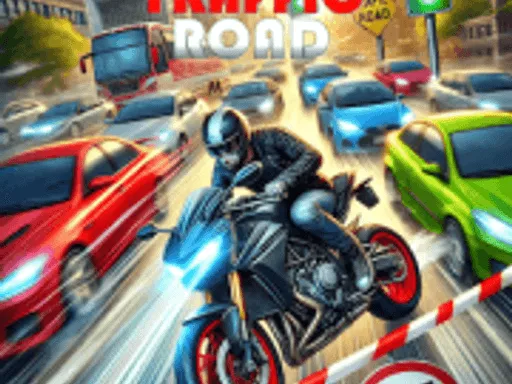
How to Play Traffic Road
If you are new to Traffic Road, you can learn the basics fast. The hard part is staying calm when the road gets crowded. This guide explains how to play Traffic Road step by step in plain English, so you can build skill without guessing.
You can play Traffic Road online on TrafficRoad.net. The game starts in seconds, so it is easy to practice in short sessions. That matters, because Traffic Road rewards repetition. Small habits, repeated often, create big score jumps.
This guide is written for a Grade 9 reading level. You will get simple rules, clear drills, and real examples. You will also see a few facts from driving safety sources on the internet, because the same focus habits can help your Traffic Road gameplay.
What the game is really testing
Many players think Traffic Road is only about speed. It is not. Traffic Road is a pattern game. The road gives signals. You read them, then act early.
In Traffic Road, your score rises when you do three things well:
- Keep your eyes ahead, not only on your bike.
- Manage speed before danger, not inside danger.
- Leave an escape lane every time traffic tightens.
When you play Traffic Road this way, runs feel less random. You stop reacting late. You start planning early.
Controls and first setup
Most browser versions of Traffic Road use simple controls. Internet game listings commonly describe these inputs:
- W or Up Arrow: speed up
- S or Down Arrow: slow down
- A and D or Left/Right: move lanes
A few versions also add quick look keys like Q and E for side checks. Do not overuse them in Traffic Road. Quick look helps, but long look steals attention from what is ahead.
Before your first serious Traffic Road session, set up like this:
- Use fullscreen so lane gaps are easier to read.
- Close heavy browser tabs.
- Keep game audio on at a moderate level.
- Use a keyboard you trust for fast taps.
This setup will not make Traffic Road easy, but it removes avoidable mistakes.
Core rule: smooth beats wild
A lot of new players throw the bike left and right in Traffic Road. That feels fast, but it is unstable. In long runs, unstable play always loses.
In Traffic Road, a smooth line beats a dramatic line. Think of your moves as short edits, not big swerves. Move one lane, settle, then decide again.
Use this short rule set in every Traffic Road run:
- One lane change at a time.
- Brake a little before a tight gap.
- Re-center when you are unsure.
- Avoid chain dodges unless there is no other option.
If you apply this in Traffic Road, your crashes will drop almost immediately.
How to play Traffic Road in the first 60 seconds
The first minute of Traffic Road should be clean and calm. Do not chase risky passes too early.
Your first-minute plan for Traffic Road:
- Hold a readable speed.
- Watch two to three cars ahead.
- Build rhythm with safe lane timing.
- Save risky moves for later traffic patterns.
In early Traffic Road traffic, you are collecting information. You are learning spacing, spawn rhythm, and how your current build reacts to short taps.
Many players lose Traffic Road runs by treating the opening like the final minute. Start controlled, then scale up.
Mid-run strategy when traffic gets dense
This is where most Traffic Road runs end. Cars pack together, your speed is high, and panic starts.
At this point in Traffic Road, switch to “window reading.” A window is the open path that stays valid for the next one to two seconds.
Ask three fast questions in every Traffic Road decision:
- Which lane stays open longest?
- If that lane closes, where is my backup lane?
- Do I need speed now, or space now?
When in doubt in Traffic Road, choose space over speed. Space buys time. Time gives better choices.
Risk math: when to take close passes
Close passes feel exciting in Traffic Road, but not every close pass is smart. Treat risk like math.
Take a close move in Traffic Road only when all three are true:
- You can see the exit lane clearly.
- You are not already correcting from a previous move.
- Your speed is under control for the next second.
Skip the close move in Traffic Road when one of these is missing. Skipping one risky pass is boring. Crashing after a risky pass is worse.
Great Traffic Road players are selective. They do not fear risk, but they do not force risk.
Common mistakes and quick fixes
Every beginner makes the same errors in Traffic Road. Fixing them is faster than learning fancy tricks.
Mistake 1: Tunnel vision
In Traffic Road, tunnel vision means staring at the nearest car. You react late because you miss the pattern ahead.
Fix: keep your visual focus farther up the road in Traffic Road. Use the nearest car only for timing.
Mistake 2: Late braking
Late braking in Traffic Road creates panic swerves. Then one mistake becomes two.
Fix: brake one beat earlier in Traffic Road. Early, small braking is stronger than late, heavy braking.
Mistake 3: Over-steering
Hard left-right snaps in Traffic Road look cool, but they reduce control.
Fix: use short taps in Traffic Road. Let the bike settle between moves.
Mistake 4: No escape lane
If you commit to a lane with no backup in Traffic Road, one random slow car can end the run.
Fix: always track a secondary lane in Traffic Road before you commit.
A 10-minute practice routine
You do not need long sessions to improve at Traffic Road. Use focused reps.
Minute 0-2: Warm-up runs
Play two light Traffic Road runs. Do not chase score. Just feel input timing.
Minute 3-5: One-skill block
Pick one Traffic Road skill:
- Early braking
- Clean lane changes
- Vision two cars ahead
Train only that skill for three minutes in Traffic Road.
Minute 6-8: Controlled high-speed runs
Now push speed in Traffic Road, but keep one rule: no double swerve unless forced.
Minute 9-10: Review and reset
After each Traffic Road crash, say the reason in one short sentence. Example: “Late brake after tunnel vision.” This builds fast awareness.
Do this routine daily and your Traffic Road consistency will grow.
What internet research says that helps your play
Good Traffic Road habits match real driving safety habits. Here are three useful points from internet sources.
- The NHTSA reports that distracted driving caused 3,275 deaths in 2023 in the U.S. The lesson for Traffic Road is simple: attention drift is expensive.
- The NHTSA distraction page says reading or sending a text for 5 seconds at 55 mph is like driving the length of a football field with your eyes closed. In Traffic Road, even a one-second focus break can end a run.
- The California Driver Handbook teaches drivers to look far ahead and keep safe following space. In Traffic Road, that translates to scanning ahead and preserving reaction room.
These are real-road ideas, but they map well to Traffic Road. Focus forward. Leave space. Act early.
Mode strategy: endless, timed, and challenge runs
Different Traffic Road modes reward different choices.
Endless mode
Endless Traffic Road is about survival rhythm. Prioritize low-error play. One avoidable crash wastes the whole run.
Timed mode
Timed Traffic Road needs controlled aggression. You must push pace, but not with blind swerves. Quick, clean passes matter most.
Challenge mode
Challenge Traffic Road often adds strict goals. In these runs, read the task first. A safe line that meets the goal beats a flashy line that fails.
When you switch modes in Traffic Road, change your risk level on purpose.
Device and performance tips
Performance issues can hurt Traffic Road more than most games because timing windows are small.
Use this checklist before ranked-style Traffic Road practice:
- Restart the browser if inputs feel delayed.
- Disable heavy extensions for the session.
- Keep power mode stable on laptops.
- Prefer wired internet when possible.
- Reduce background streams while playing Traffic Road.
If Traffic Road feels “unfair,” test performance first. Many “skill problems” are really delay problems.
How to play Traffic Road on TrafficRoad.net
If you want a clean place to practice Traffic Road, go to TrafficRoad.net. The site is focused on quick browser play and clear game access.
A simple Traffic Road workflow on TrafficRoad.net:
- Open the game page.
- Run 2 warm-up attempts.
- Run 5 focused attempts with one training goal.
- Take a short break.
- Run 3 high-focus attempts.
This structure keeps your Traffic Road practice intentional. Random grinding is slower.
7-day improvement plan
Use this one-week plan to improve Traffic Road without burnout.
Day 1: Control day
Goal for Traffic Road: no panic swerves.
Day 2: Vision day
Goal for Traffic Road: keep eyes two to three cars ahead.
Day 3: Speed day
Goal for Traffic Road: hold higher speed with calm lane edits.
Day 4: Recovery day
Goal for Traffic Road: survive after mistakes using backup lanes.
Day 5: Risk day
Goal for Traffic Road: take close passes only when exit lane is visible.
Day 6: Endurance day
Goal for Traffic Road: play longer sessions with steady focus.
Day 7: Test day
Goal for Traffic Road: set a personal best using all habits.
Repeat this plan for two to three weeks and your Traffic Road baseline will shift up.
Quick FAQ
Is this game hard for beginners?
Traffic Road is easy to start and hard to master. Start with smooth control, then add speed.
Should I brake a lot?
Use short, early braking in Traffic Road. Heavy late braking usually causes crashes.
How often should I practice?
Ten to fifteen focused minutes of Traffic Road per day beats one long random session per week.
Can I improve without premium gear?
Yes. For Traffic Road, clean habits matter more than expensive hardware.
Where can I play quickly?
You can play Traffic Road at TrafficRoad.net and start practicing right away.
Final thoughts on how to play Traffic Road
The best way to learn how to play Traffic Road is to stay simple: scan ahead, move smoothly, brake early, and protect your escape lane. These habits make Traffic Road feel slower, even when it is fast.
If you want steady progress, practice Traffic Road with a plan, not with panic. Use the 10-minute routine, track one mistake per run, and build from there. Over time, your Traffic Road scores will rise because your choices improve.
When you are ready, open TrafficRoad.net, start your next Traffic Road run, and test one new habit today. One clear habit is enough to change the whole run.